
2025 highlights
24th December 2025
2025 has certainly been one to remember. Thank you to our clients, colleagues and industry friends for a fantastic year.
Here are Waterman Aspen’s top moments from 2025… 👀

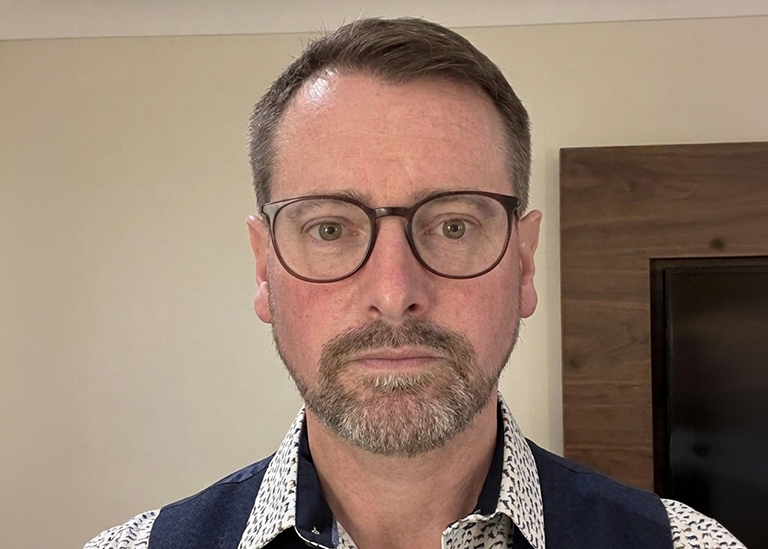

Street lighting is often only noticed when it’s missing or when it feels out of place. But behind every route, there’s a long list of decisions that shape the best lighting placements, how future maintenance will work and how local habitats are protected.
Andy Cole is currently on secondment to Oxfordshire County Council from Waterman Aspen, working as a Senior Engineer within the council’s Highway, Structures and Electrical Assets team.
Andy’s role focuses on lighting design and development across the county, supporting everything from small housing developments, minor highway schemes and active travel routes, through to major infrastructure programmes.
A key part of the role is reviewing incoming and undertaking lighting designs to ensure they align with Oxfordshire’s specifications and lighting policy, as well as relevant British Standards and industry guidance. Andy works with designers and internal teams to agree on a balanced solution that works for the place and for long‑term operation.
Modern lighting design isn’t just about visibility. Andy explains that environmental context now plays a major role in decision-making, especially in a county with such a mix of rural roads, rivers, established hedgerows and sensitive habitats.
In practice, that can mean thinking about:
Andy’s approach is to consider ecology restraints first, then to focus on delivering safe, comfortable lighting for people walking, cycling or driving to comply with the council policies.
As with many infrastructure decisions, lighting often sits at the centre of competing expectations. Andy notes there are strong voices advocating for dark skies and less lighting, while others such as active travel groups, may call for lighting across entire cycling networks.
In Oxfordshire, where cycling is a major priority, Andy describes the need to find practical alternatives without lighting every route end to end.
One example is the use of solar-powered wayfinding studs along cycleways, guiding people through a route without creating broad light spill into sensitive rural areas.
Andy’s secondment includes supporting lighting input into some of Oxfordshire’s major infrastructure schemes including:
A unique aspect of Andy’s experience is continuity. Earlier in his career, he was involved in producing preliminary lighting designs for Oxfordshire schemes, and returning on secondment has allowed him to see those projects progress toward the construction phase.
Andy values the combination of stability and variety that secondment brings, having the security of employment and benefits, alongside the ability to work closely with a client team and support delivery from the inside. Andy also highlights a supportive, personable culture and approachable leadership at Waterman Aspen: “The way they treat their staff, from what I’ve seen, is brilliant.”
By balancing standards with local context, bringing biodiversity and long-term maintenance into the conversation early, Andy helps Oxfordshire deliver lighting solutions that are proportionate, practical and sensitive to the places they serve.
Looking for a new role where you can make a difference? Visit our Careers Hub to explore the current opportunities we have available.
24th December 2025
2025 has certainly been one to remember. Thank you to our clients, colleagues and industry friends for a fantastic year.
Here are Waterman Aspen’s top moments from 2025… 👀

29th April 2026
Waterman Aspen is pleased to share that we are now a Company Supporter of The Lighthouse Charity.
28th November 2025
After a fantastic range of nominations this year, we’re delighted to announce that the Royal National Lifeboat Institution (RNLI) has been chosen as our Charity of the Year for 2026.
